

Window tinting is more than just a style; it gives you comfort, protection, and even safety. Among the different shades available, 50 window tint is one of the most popular options. It strikes a balance between reducing glare and maintaining clear visibility, but is it the right fit for your car? Let’s break it down.
What Does 50% Window Tint Mean?
When we talk about window tint percentages, we’re referring to Visible Light Transmission (VLT). This number indicates how much light is allowed to pass through the film. A 50% tint means half of the light passes through while the other half is blocked.
This level of tinting doesn’t make windows look extremely dark. Instead, it provides a moderate shade that improves driving comfort without making it hard to see through the glass.
How 50% Tint Looks on a Car
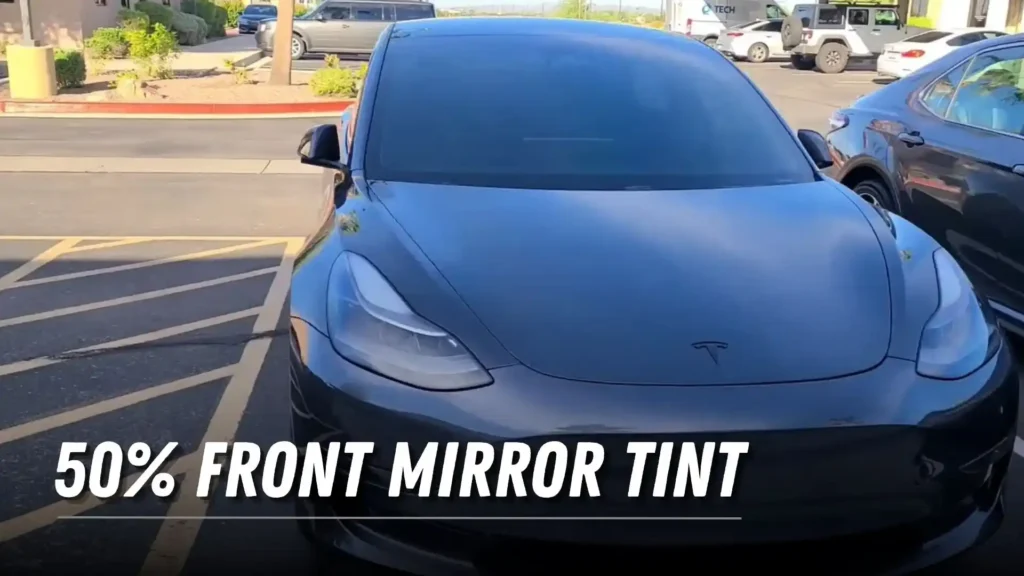
From the outside, a 50% tint gives your car a subtle, sleek appearance. It’s not overly dark, so your windows will still look fairly transparent compared to darker films like 35% or 20%.
From the inside, drivers notice a clear view of the road both during the day and at night. Unlike darker shades, which can sometimes make night driving more challenging, a 50% tint preserves visibility while still offering a noticeable reduction in brightness and glare.
Benefits of 50% Window Tint
This window tint comes with practical benefits, and a few of them are:
- Glare reduction: It softens the harsh light from the sun and headlights, making driving easier on the eyes.
- UV protection: Quality tint films block up to 99% of harmful ultraviolet rays, protecting your skin and preventing your car’s interior from fading.
- Heat control: While not as strong as darker shades, a 50% tint still reduces heat buildup inside your car, keeping it more comfortable in hot weather.
- Balanced visibility: Unlike darker tints, it doesn’t compromise nighttime visibility, which is a major plus for safety.
Is a 50% Tint Legal for Your Car?
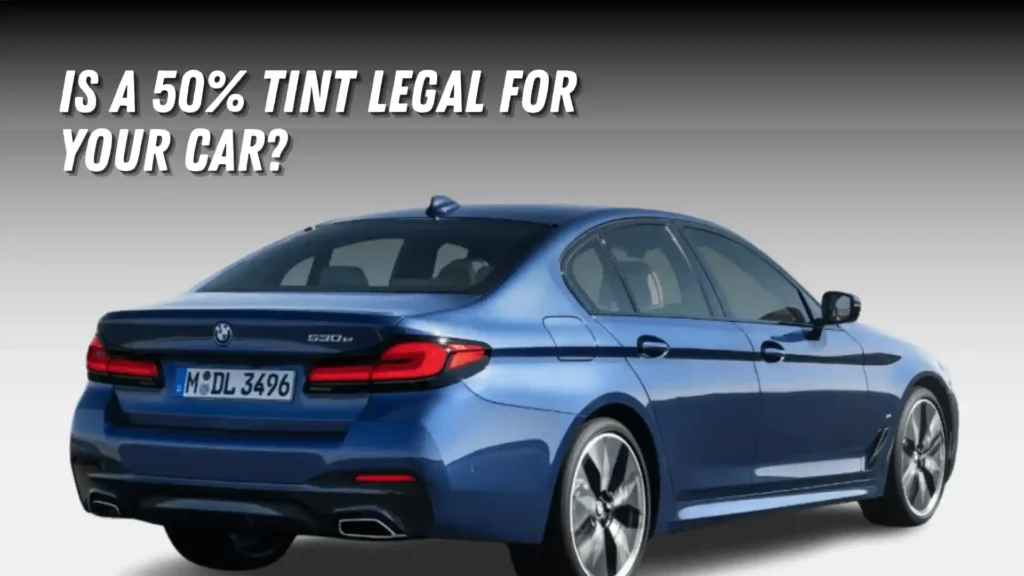
Tint laws vary by state, territory, or country, but 50% is often within the legal limit for front side windows. Rear and back windows usually allow darker films, but front windows are more restricted to maintain driver visibility and road safety.
Before committing, check your local tint regulations to ensure your vehicle stays compliant. In many places, 50% is the right balance between style, function, and legality.
Is 50% Window Tint Right for You?
How do you decide if this tint is the best choice for your car?
- If you want a natural look with subtle shading, 50% is ideal.
- If you drive often at night, this level of tint maintains excellent visibility.
- If maximum heat rejection and privacy are your goals, you might prefer a darker film like 35% or 20%.
- If you live in an area with strict tint laws, 50% often falls right in the safe zone.
Ultimately, it comes down to balancing comfort, appearance, and compliance.
Conclusion
50 window tint is a versatile option for drivers who want a blend of style, UV protection, and clear visibility. It reduces glare and heat without making your car look overly dark, and in many regions, it also meets legal requirements for front windows.
Before making your decision, think about your driving habits, local laws, and personal preferences. If you’re looking for a tint that enhances comfort while keeping things practical, 50% window tint may be the perfect match for your car.