
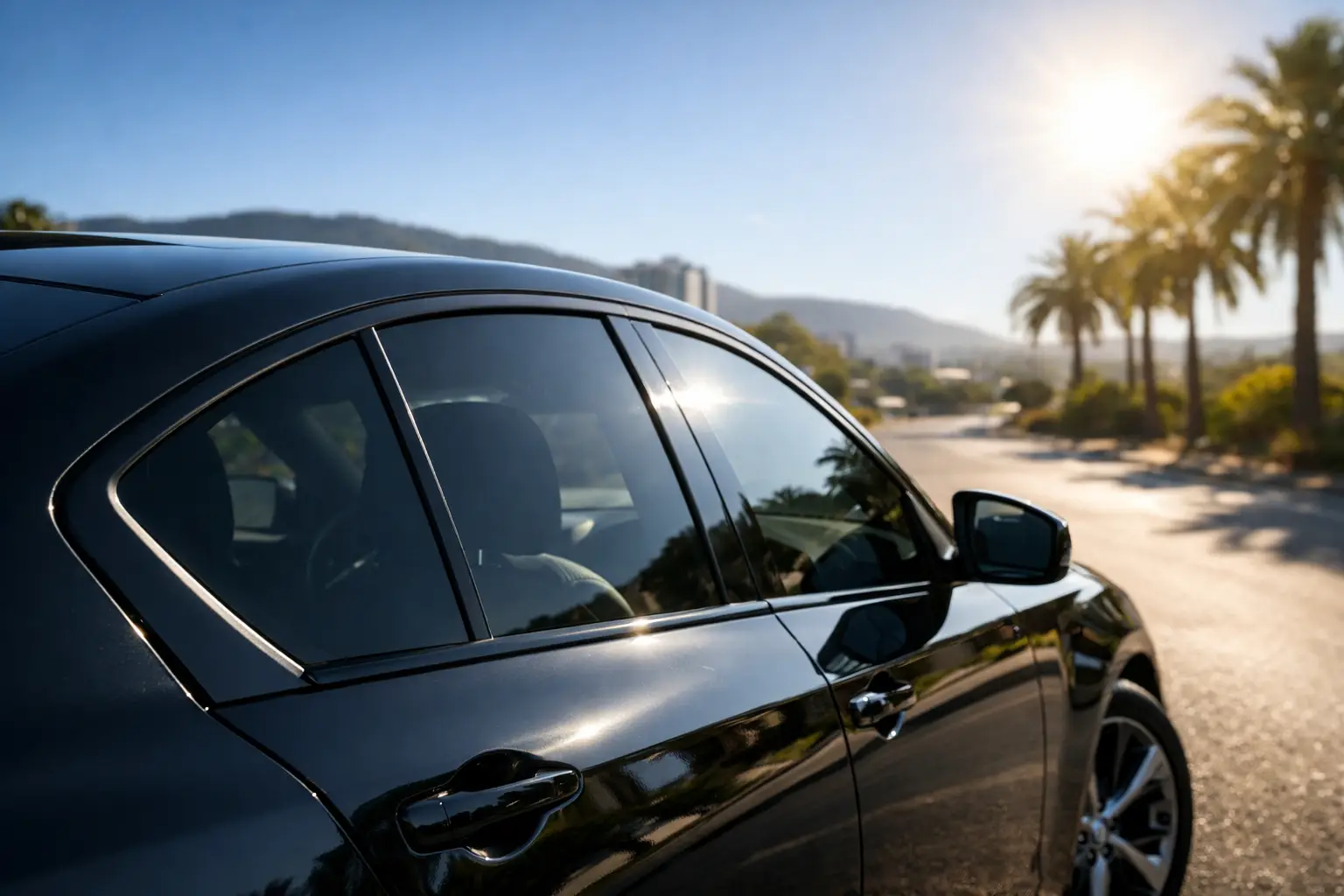
Adelaide’s summer sun can turn a parked car into an oven surprisingly quickly. Quality window tinting Adelaide drivers choose is not just about making a vehicle look sharper – it is about reducing cabin heat, filtering UV exposure and making every commute, school run or weekend drive more comfortable.
The right tint should suit the way you use your vehicle. A family SUV, a work ute, a daily commuter and a weekend enthusiast car can all benefit from window film, but the best film shade, performance level and installation location may be different for each one.
Why window tinting makes a practical difference
A professionally tinted vehicle feels noticeably more comfortable when it has been sitting in the sun. Window film helps reduce the solar energy entering through the glass, which means less heat building up in the cabin and less reliance on the air conditioner to bring the temperature down.
That matters on Adelaide roads, particularly during long, hot stretches of weather. Cooler seats, a less glaring windscreen area and a cabin that is easier to manage can make a real difference when you are driving to work, carrying kids or spending time in traffic.
Quality film also filters harmful UV rays. This helps protect the people inside the vehicle, while reducing the fading, drying and cracking that can affect dashboards, door trims, leather and fabric over time. It will not stop normal wear altogether, but it gives your interior a better chance of staying in good condition.
There is also the appearance factor. Tint can give a vehicle a cleaner, more finished look by reducing the contrast between bright glass and painted panels. On many cars, it is one of the most effective upgrades you can make without changing the vehicle’s original character.
Choosing window tinting in Adelaide that suits your car
The darkest tint is not automatically the best tint. A good choice comes down to visibility, heat performance, legal requirements and the look you want to achieve. A professional installer should talk you through those factors before fitting anything.
Darkness and heat rejection are different things
Film darkness is usually what people notice first, but it does not tell the full story. Two films can look similar from the outside while offering very different levels of heat rejection and UV protection.
If cabin comfort is your main priority, focus on the film’s solar and infrared heat-rejection performance rather than choosing only by shade. Higher-performance films can help reduce heat without requiring the darkest possible finish. This is often a smart option for drivers who want a refined look and clear outward visibility.
A darker film may offer more privacy and reduce glare from following headlights at night, but it can also make visibility harder in low-light conditions. If you regularly park in dim car parks, drive on country roads or reverse at night, consider how the shade will work in those situations.
Match the film to how you use the vehicle
For a daily driver, a balanced tint with strong UV and heat protection is often the right place to start. It improves comfort without feeling overly dark. Families may place more value on rear-seat comfort and privacy, especially when children spend time in the back.
For utes and work vehicles, tint can make long days on the road more manageable while giving the cabin a more polished finish. Owners of premium or enthusiast vehicles may prefer a high-performance film that keeps heat down while preserving a clean, factory-style appearance.
There is no single best option for every vehicle. The goal is a film that works when you are driving, not just one that looks good in the driveway.
Mobile or workshop window tinting?
Convenience matters, but so does the installation environment. Mobile window tinting is ideal when getting to a workshop is difficult. If your vehicle is at home, at work or off the road for the day, having a technician come to you can save time without adding another job to your schedule.
For a mobile installation to be successful, the vehicle needs a suitable clean, covered area with enough room to work around it. A garage, carport or protected space is usually best. Wind, rain, dust and extreme heat can affect the fitting process, so a professional should be upfront if conditions are not suitable.
Workshop appointments are a strong choice when you want a controlled environment, particularly for more detailed appearance work or when the weather is unpredictable. The vehicle can be prepared and fitted away from dust, wind and direct sun, helping the installer focus on a clean finish.
At Rox Auto, you can choose a mobile appointment or workshop service based on what works best for your day and your vehicle. Mobile appointments come without a travel fee, so convenience does not need to mean extra hassle.
What a professional tint installation should include
The difference between a professional job and a rushed one often shows up later. Proper preparation is essential. The glass needs to be thoroughly cleaned, including around edges and seals where dust and residue can sit unnoticed.
The film is then measured, shaped and fitted carefully to each window. On rear glass, this may involve heat-forming the film so it follows the curve of the window correctly. The installer uses a slip solution and squeegee to position the film, remove moisture and create a smooth bond to the glass.
Small water pockets or a slightly hazy appearance can be normal during the curing period. As the moisture dries out, the film settles and becomes clearer. The timing depends on the weather, film type and the vehicle, so avoid judging the final result immediately after installation.
A quality fit should look neat around the edges, sit smoothly against the glass and avoid obvious contamination, creases or lifting. Ask about the film warranty and workmanship warranty before booking. Clear answers are a good sign that the service is built to last.
Keep your tint legal and safe
Window tinting in South Australia must meet legal requirements for visible light transmission and permitted window areas. These rules are there to protect driver visibility and road safety, not to spoil the look of your vehicle.
The limits can differ between front and rear windows, and existing glass may already have some level of tint from the factory. This means the final result needs to be assessed as a complete glass-and-film combination, not just by the film’s advertised shade.
A reputable installer will help you choose a compliant option. If you are unsure about tint already fitted to the vehicle, mention it before the appointment. Removing non-compliant old film before installing new tint may be the safest path.
Looking after newly tinted windows
Fresh tint needs time to cure. Keep the windows up for the period recommended by your installer so the film is not disturbed while it bonds. Depending on conditions, the glass may look slightly cloudy or show minor moisture marks at first. This is usually part of the drying process.
Once cured, clean tinted glass with a soft microfibre cloth and an ammonia-free glass cleaner. Avoid abrasive pads, rough paper towels and harsh chemicals that can scratch the film or affect its finish. Treat the inside of tinted windows with the same care you would give the paintwork.
If you notice an issue after the curing period, contact the installer rather than trying to press, trim or peel the film yourself. Early advice can prevent a small concern from becoming a larger repair.
Pair tint with other vehicle protection
Tinting protects the cabin and improves comfort, while exterior protection looks after the surfaces that face Adelaide’s sun, road grime and changing weather every day. Ceramic coating and paint correction can be a sensible next step for owners who want their vehicle to look easier to maintain from every angle.
These services do different jobs. Window tint helps manage heat, glare and UV through the glass. Ceramic coating helps protect painted exterior surfaces from contamination and makes routine washing easier. Combining them can give a newer car a strong head start, or help refresh a vehicle that has already seen a few years on the road.
The most useful upgrade is the one that fits your vehicle, your budget and your routine. Choose film for real heat and UV performance, make sure the shade is suitable for safe driving, and book an installation setting that gives the work the conditions it deserves.