
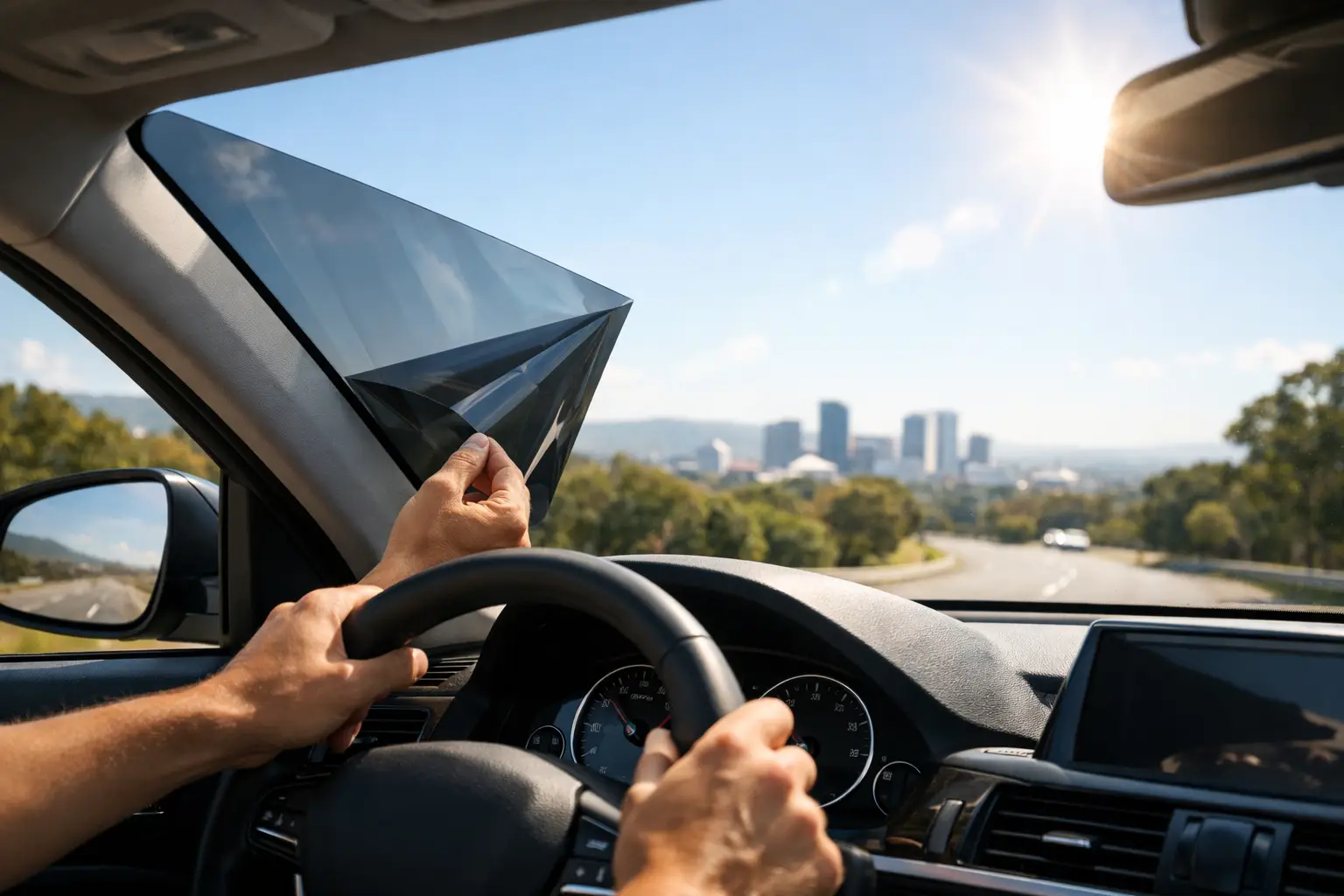
A parked car in an Adelaide summer can feel unbearable before you have even pulled out of the driveway. The steering wheel is hot, the seats are hotter, and the air conditioner has to work overtime. Quality UV window tint Adelaide drivers choose is a practical way to reduce that daily discomfort while helping protect the people and materials inside the car.
Window tint is not just about giving your vehicle a cleaner, darker look. The right film can reduce solar heat, block a high percentage of harmful UV radiation and cut the glare that makes early morning and late afternoon driving harder than it needs to be. For commuters, families, tradies and enthusiasts alike, it is one of the most useful upgrades you can make.
What UV Window Tint Does for Your Car
Sunlight entering through untreated glass carries more than visible light. It also brings ultraviolet radiation and infrared heat. UV exposure can contribute to fading, cracking and premature wear on dashboards, door trims, leather and fabric. It can also affect your skin during long hours behind the wheel.
Professional automotive window film is designed to filter UV while managing heat and glare. That means a more comfortable cabin, less strain on your air conditioning and better protection for your interior. You may still feel Adelaide’s heat on a 40-degree day, but the car can be noticeably easier to cool down and more pleasant to drive.
The benefit is especially clear for vehicles that spend hours outdoors. If your car sits in an office car park, at a worksite, outside school pick-up or in the driveway, the sun has plenty of time to work on the cabin. Tint adds a protective layer where it matters most – across the glass that receives direct sunlight every day.
UV protection is about more than dark glass
A common misconception is that darker tint always means better UV or heat protection. In reality, the film construction matters more than appearance alone. High-quality films can provide strong UV protection and heat rejection while still giving you clear, usable visibility.
This is why choosing tint purely by shade can lead to disappointment. A very dark, low-grade film may look the part initially but can offer weaker heat performance, fade over time or develop bubbles and peeling around the edges. A professionally selected film is matched to how you use the vehicle, not just how dark you want it to look.
Choosing UV Window Tint in Adelaide
There is no single tint option that suits every vehicle owner. The best choice depends on your car, your daily driving, where it is parked and the level of privacy or heat reduction you want.
For a family SUV, reducing heat in the rear seats may be the priority. Kids are often seated close to the side windows, so glare and sun exposure can become a regular issue on longer trips. For a work ute or commuter vehicle, keeping the cabin cooler after sitting outside may be the main goal. Owners of newer or prestige vehicles often want a clean factory-style finish that also helps preserve leather, screens and interior trims.
Your installer should talk through these practical details before recommending a film. The right answer may be a lighter legal shade with better heat-rejection technology, rather than simply selecting the darkest tint available.
Think about your driving conditions
Adelaide drivers deal with bright, dry conditions for much of the year, but your normal route still matters. If you do a lot of city driving, glare reflected from roads, shopfronts and surrounding traffic can be a major frustration. If you travel long distances on open roads, side-window heat and sun exposure may be more noticeable.
Night driving is another consideration. Darker film can offer more privacy and daytime comfort, but it also reduces the amount of light entering the vehicle after dark. A good installer will help you find a sensible balance between daytime performance, privacy and safe visibility.
Why Professional Installation Matters
Even premium window film will not perform or look its best if it is poorly installed. Automotive tinting requires precise preparation, clean glass, accurate cutting and careful application. Dust, trapped moisture, uneven edges and contamination can all affect the finish.
A professional installation should look tidy from inside and out, with clean edges and no obvious gaps. Fresh tint can show a light haze or small water pockets while it cures, particularly in cooler weather. This is normal in many cases and should settle as the film dries. Large bubbles, lifting edges or marks that remain are not part of a quality finished job.
Professional fitting also matters because modern vehicles are not all built the same. Curved rear glass, tight window seals, demister lines, frameless doors and integrated electronics all require care. Trying to save money with a rushed installation can result in film that needs replacing much sooner than expected.
At Rox Auto, you can choose a mobile appointment where suitable or bring your vehicle into the workshop for a controlled installation environment. You pick what works best. We will handle the rest.
Is Window Tint Legal in South Australia?
Any UV window tint in Adelaide needs to meet South Australian road rules. Legal requirements are based on visible light transmission, often called VLT. This refers to how much visible light can pass through the glass and film together.
The rules differ depending on the window position, and factory privacy glass can change the final reading. That is why it is not enough to choose a film based on a shade sample alone. The existing glass must be considered before tint is applied.
A reputable installer will recommend a compliant option and avoid fitting tint that creates unnecessary problems at a roadworthy inspection or roadside check. If you have already installed aftermarket film or are unsure about the glass on a second-hand vehicle, ask for it to be assessed before adding a new layer.
Looking After Newly Tinted Windows
Tint film needs time to cure properly after installation. During this period, avoid winding the windows down until your installer says it is safe. The exact curing time can vary with weather, film type and the glass being tinted.
Once cured, clean the inside of tinted windows with a soft microfibre cloth and an ammonia-free glass cleaner. Avoid abrasive pads, harsh chemicals and anything that could catch on the film edges. Taking a little care during cleaning helps keep the tint clear and free from scratches.
Quality film should remain stable for years, but durability still depends on the product, installation and how the vehicle is used. Cars stored outside all year face more sun exposure than garage-kept weekend vehicles. This does not mean tint is not worthwhile – it simply means film quality and professional installation become even more important.
When Tinting Is Worth It
Window tinting is a sensible upgrade for most Adelaide vehicles, but it delivers the strongest value when it solves a real daily problem. If you regularly climb into a heat-soaked car, squint through glare on your commute or notice your interior starting to fade, tint provides an immediate and ongoing benefit.
It also works well alongside exterior protection. Ceramic coating can help protect paintwork from contamination and harsh weather, while UV-rejecting tint helps look after the cabin. Together, they make everyday vehicle care easier without changing how you use your car.
The best tint should feel like it belongs on the vehicle: comfortable in bright conditions, clear enough for confident driving and finished properly around every edge. Book the option that suits your routine, and give your car a better chance against the Adelaide sun every time you get behind the wheel.