


If you’re thinking about getting your car windows tinted, one of the first questions you might ask is, How long does it take to tint car windows? The answer isn’t always the same because the time depends on different things, like your car type and how much tint you want. Knowing what to expect can help you plan your day better and avoid surprises.
Car window tinting isn’t just about looks. It also helps block heat, protect the interior from fading, and make driving more comfortable. But even though the benefits are clear, many people worry about how long they’ll be without their car. Let’s break down the time it usually takes and what factors can change it.
Factors That Affect Tinting Time
Here are the factors that will decide the final tinting time for your vehicle;
Number of Windows
The number of windows being tinted makes a big difference. A two-door coupe takes less time compared to a four-door sedan and an SUV. More windows mean more film to cut, shape, and apply, which adds to the time.
If you’re only tinting the front two windows, you might be done in less than an hour. But if you’re tinting all the windows, including the back windshield, plan for a much longer appointment.
Type of Vehicle
Not all cars are built the same. A compact car usually has smaller, flatter windows that are easier to tint. On the other hand, SUVs, trucks, and vans have larger glass areas and sometimes complex shapes that need more careful installation.
Curved rear windshields also add time because the tint film has to be heat-shaped and smoothed to avoid bubbles. So, the bigger or more complicated your vehicle, the more time the tinting process will take.
Condition of Windows
Clean windows are easier and quicker to tint. If your windows have an old tint that needs to be removed, scratches, or sticky residue, the installer will spend extra time preparing the glass.
Tint removal can be tricky and may add up to an hour or more to the job. This step is important because a smooth, clean surface is the only way to make sure the new tint looks professional and lasts longer.
Type of Tint Film
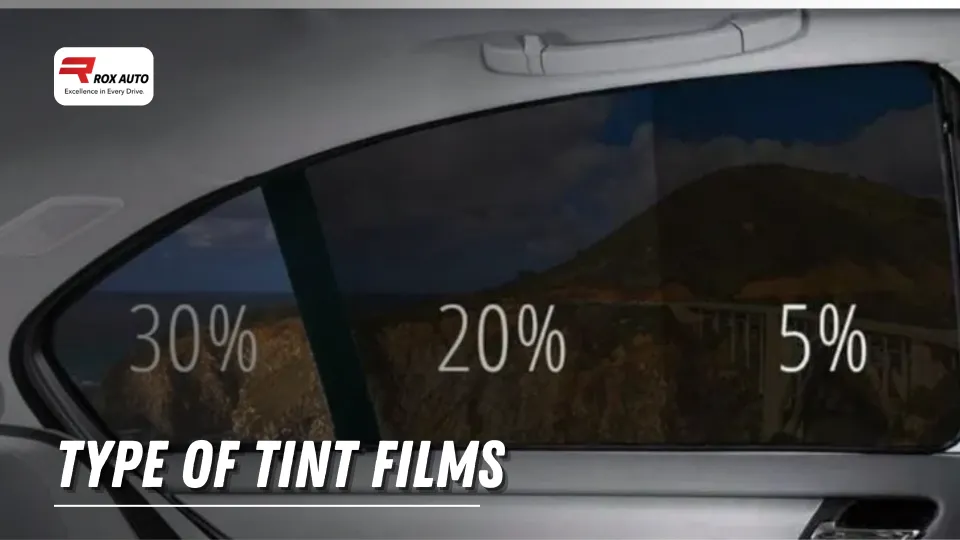
Not all window tints are the same. There are different types of tint films. Standard dyed films are faster to apply, while ceramic and carbon tints may take longer because they require more precision.
High-performance films can also take extra time to heat-shrink and install properly, especially on curved glass. Choosing a premium tint is worth it for the durability and heat-blocking benefits, but keep in mind it might mean a longer appointment.
Typical Timeframes
Here are the timeframes that you can expect for different types of vehicles;
Standard Cars
For most sedans and coupes, tinting all windows usually takes about 2 to 4 hours. If you’re doing the front two windows, the process may take only 30 to 60 minutes.
Installers work carefully to measure, cut, and fit the film perfectly. Even though the job can sometimes be done quickly, rushing leads to bubbles and peeling later, so most professionals take their time to make sure it’s done right.
SUVs and Trucks
Larger vehicles like SUVs and trucks typically take 3 to 5 hours for a full tint job. It is because of the bigger glass areas and the possibility of extra windows, like quarter glass panels.
Some SUVs have steeply curved back windshields, which are harder to tint and require more time to heat and shape the film. That’s why tinting a large vehicle usually takes longer than tinting a smaller car.
Full Tint vs. Partial Tint
If you’re tinting every window, including the rear windshield, it’s going to take longer compared to just doing the front two. A full tint job is usually at least 2 to 4 hours, while a partial job could be done in under an hour.
Some people choose to tint only their front windows for privacy or to match factory tint in the back. Others go for a complete tint for style and heat protection. Either way, how many windows you choose will directly affect how long the job takes.
Additional Time Considerations
Other than tinting time, here are a few more things that can add more time to the final results;
Removing Old Tint
If your car already has an old or damaged tint, removing window tint will add extra time. Peeling tint often leaves glue behind, and scraping off adhesive can be time-consuming.
Depending on the condition of the old film, removal could take 30 minutes to over an hour. This step is necessary because leaving any old adhesive behind can cause problems with the new tint sticking properly.
Shop Workload and Experience
How busy the tint shop is and how skilled the installer is can also affect the time. A well-trained installer may finish faster without sacrificing quality, while a beginner may need more time.
Shops with multiple customers lined up may also need you to wait before they start your car. Booking an appointment in advance, especially during summer when tinting is popular, can save you from long delays.
Drying and Curing Time
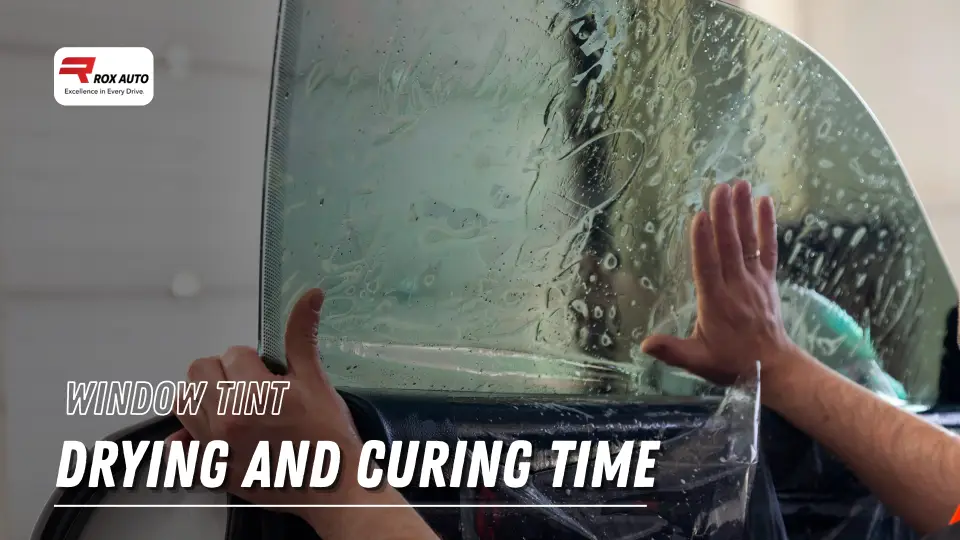
Once the tint film is applied, it still needs time to cure. While the installation itself might only take a few hours, the film can take several days to fully dry.
During this time, you shouldn’t roll down your windows and clean them. Curing time varies depending on the weather. Hot, sunny days speed up the process, while cold and rainy days slow it down.
How to Plan Your Appointment
If you’re planning to get your car tinted, it’s a good idea to set aside half a day, especially if you’re getting a full tint job. While some cars can be finished in an hour or two, giving yourself extra time ensures you won’t feel rushed.
Scheduling early in the day can help you avoid shop delays. Weekdays may also be less busy than weekends so that you might get your car back faster. If you need your car the same day, let the shop know when booking so they can give you a realistic timeframe.
Having a ride arranged or something planned to do nearby is a smart move while your car is being worked on. That way, you’re not stuck waiting around for hours.
Why Choose Rox Auto for Window Tinting
Choosing the right shop makes a big difference in how your car tint looks and how long it lasts. At Rox Auto, every tint job is done with care, using high-quality films that block heat, reduce glare, and give your car a sleek finish. Our trained technicians take the time to make sure the film is cut and applied perfectly, so you won’t have to worry about bubbles, peeling, or fading.
We also know your time is valuable. That’s why Rox Auto works quickly and efficiently, completing most tint jobs within a few hours while still keeping top-notch quality. Whether you’re getting a full tint or just the front windows, Rox auto is for you.
Conclusion
So, how long does it take to tint car windows? For most vehicles, the process takes between 2 to 4 hours, but it can be longer for larger vehicles or if old tint needs to be removed. Adding in curing time, you’ll want to be patient before enjoying the full benefits of your new tint.
Remember, every car is different, and so is every shop. The best way to get an accurate estimate is to call ahead and ask. With the right planning, you can enjoy cooler rides, added privacy, and a stylish look without much downtime.
Frequently Asked Questions
1. Can car window tinting be done in one day?
Yes, most cars can be tinted in a single day. A full tint usually takes 2 to 4 hours, but if your shop is busy or if the old tint needs to be removed, you might need to leave your car for longer. It’s best to plan for half a day just to be safe.
2. Does the weather affect how long tinting takes?
The installation time itself isn’t affected much by weather, but the curing time is. In hot, sunny weather, tint film dries faster. In cold or rainy conditions, it can take a few extra days for the film to set fully.
3. How soon can I roll down my windows after tinting?
Most installers recommend waiting at least 3 to 5 days before rolling down your windows. It prevents the film from peeling and bubbling before it has time to bond properly with the glass.
4. Why does removing the old tint make the process take longer?
Old tint often leaves sticky glue and small pieces of film behind, which must be carefully cleaned off. This step can add 30 minutes to an hour or more to the job, depending on the condition of your windows.
