


Ceramic coatings are safe long term if you follow simple care routines. Regular washing with a pH-neutral shampoo prevents dirt build-up that can reduce hydrophobic performance. Avoid using harsh chemicals and abrasive brushes. They can wear down the coating prematurely. If you’re new to the concept, check out our guide on what ceramic coating is to understand exactly how it works.
But many people pause before trying it because of one big question: Is ceramic coating safe? Some worry it might damage the paint, harm the clear coat, or lock in imperfections permanently. Others are unsure whether it’s safe to apply at home without professional help. This guide will clear up those doubts and explain everything you need to know about ceramic coating safety.
Common Misconceptions About Safety
One of the most common myths is that ceramic coating damages the original paint. It is not true. A properly applied ceramic coating actually protects paint from fading, oxidation, and chemical stains. The confusion usually comes from bad DIY jobs and cheap products that don’t bond well.
Another misconception is that ceramic coating makes a car “maintenance-free.” While it does make cleaning easier, it doesn’t mean you can ignore regular washing. Dirt, dust, and road grime can still build up, and if left too long, they may reduce the coating’s effectiveness.
How Ceramic Coating Provide Safety for Different Surfaces
Vehicle Paint Surfaces
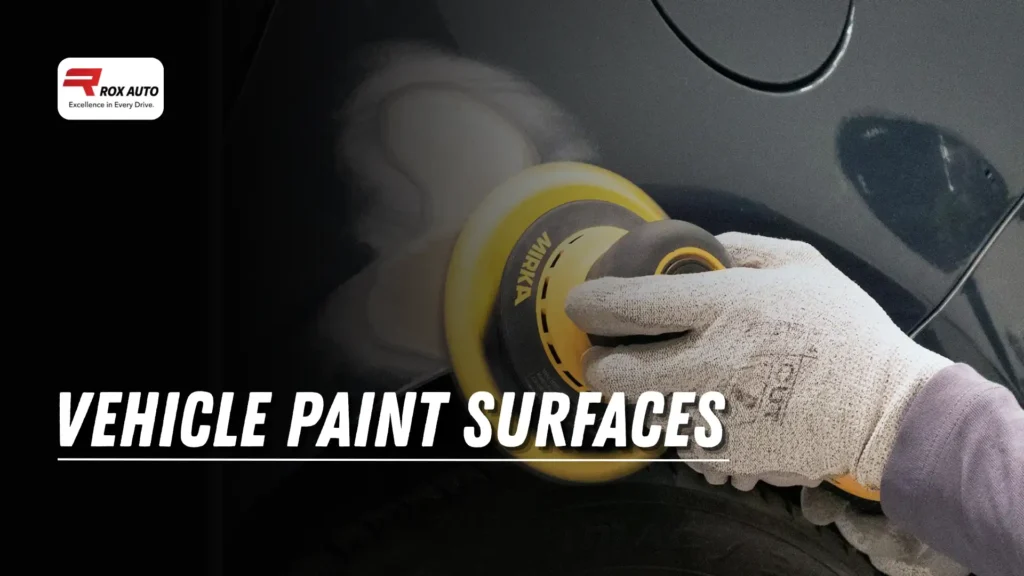
Ceramic coatings are designed to work on clear-coated factory paint. They are safe on both new cars and older vehicles that have been repainted, as long as the paint is in good condition. However, if the paint is peeling, bubbling, and already damaged, then the coating will not solve those problems. Instead, it will only highlight them.
Glass, Plastic, and Trim of a Car
Many coatings are formulated to work safely on other surfaces such as headlights, glass, and plastic trim. On glass, it creates a water-repelling effect that improves visibility in rain. Plastic prevents fading from sunlight. For trim pieces, it can stop oxidation and keep them looking darker for longer.
Car Wheels and Rims
Wheels are exposed to brake dust, heat, and grime. Ceramic coatings are safe to use on wheels because they can handle high temperatures and make cleaning much easier. Instead of scrubbing brake dust for hours, coated wheels let dirt wash off more easily.
Potential Risks and Precautions
The main risk comes from incorrect application. If the surface is not prepared properly. It hasn’t been cleaned, polished, or decontaminated. Then the coating may not bond correctly. It can leave streaks, high spots, and uneven patches that look bad.
Another risk is using low-quality or counterfeit products. All ceramic coatings are not of equal quality. Cheap coatings may contain harsh chemicals that could harm the paint and fail within a few months. So, buy products from trusted brands. Further, hire a professional detailer to apply the product to your vehicle.
Lastly, neglecting long-term care can reduce safety. A coating that’s never washed or topped up with maintenance sprays may wear unevenly. Over time, this can make the car look patchy and harder to clean. The solution is simple: follow basic maintenance routines to keep the coating performing as intended.
Is Ceramic Coating Safe for DIY Application?
Yes, ceramic coating can be applied at home, but only if you know what you’re doing. DIY kits are widely available, and they can save you money compared to professional services. However, safety depends on preparation. The paint must be free of contaminants, iron particles, and swirl marks before applying the coating. Otherwise, these imperfections will be sealed under the layer and become more visible.
For beginners, the biggest challenge is making sure the coating is spread evenly. If left too long before wiping, it can harden and create “high spots.” These need to be polished out and reapplied. While DIY kits are safe when directions are followed carefully, many car owners prefer professional application for peace of mind.
Environmental and Health Considerations
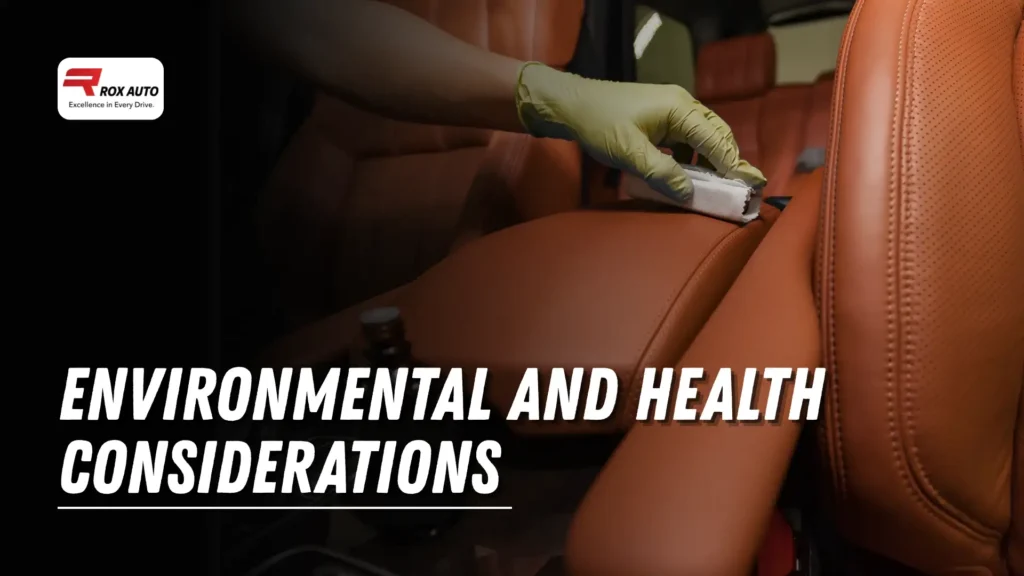
Most ceramic coatings contain solvents that can be harmful if inhaled in a poorly ventilated space. That’s why manufacturers recommend applying in a garage with airflow or outdoors in safe conditions. Wearing gloves, a mask, and eye protection ensures the coating process is safe for the user as well as the car.
In recent years, many companies have also introduced low-VOC and eco-friendly ceramic coatings. These reduce harmful emissions while still providing strong protection. Choosing reputable brands not only protects your car but also reduces impact on the environment.
Professional vs. DIY Safety Standards
Professional installers use advanced techniques, lighting setups, and polishing tools to ensure the coating bonds correctly. They also have access to professional-grade ceramic coatings, which often last 3–7 years compared to 1–2 years for consumer kits. The extra safety comes from proper training and controlled environments. If you’d like to learn more about what affects pricing, check out our ceramic coating cost guide.
DIY kits, on the other hand, are designed to be easier and safer for home use. They don’t require special equipment, but they also don’t provide the same thickness or durability as pro coatings. Both options are safe for the car itself, but professional installation reduces the risk of mistakes and ensures maximum lifespan.
Maintenance and Long-Term Safety
Ceramic coatings are safe long term if you follow simple care routines. Regular washing with a pH-neutral shampoo prevents dirt buildup that can reduce hydrophobic performance. Avoid using harsh chemicals and abrasive brushes. They can wear down the coating prematurely.
It’s also important to maintain the coating with booster sprays and toppers every few months. These products refresh the hydrophobic layer, keeping water-beading strong and extending protection. If you’re wondering how long ceramic coating lasts with proper care, the answer depends on whether you use DIY kits or professional-grade products. But in both cases, maintenance plays a huge role.
Protect Your Car with Rox Auto
Want a flawless ceramic coating without the hassle? Rox Auto offers professional-grade ceramic coating that protects your paint, adds deep shine, and makes cleaning easy. Our experts prep and apply every coating with care so your car stays protected for years.
Book your ceramic coating service with Rox Auto today and keep your car looking brand new.
Conclusion
The short answer to your question, “Is ceramic coating safe?” is yes if applied correctly. It doesn’t harm the paint and other surfaces where applied. In fact, it adds an extra shield against UV damage, acid rain, and environmental contaminants. The only risks come from poor preparation, low-quality products, and neglecting maintenance.
The best approach is to have a professional detailer handle the application. But if you’re confident and follow instructions carefully, DIY kits can also be a safe option. At the end of the day, ceramic coating provides long-lasting shine and peace of mind. It is one of the best investments you can make in protecting your vehicle.
Frequently Asked Questions
1. Can ceramic coating damage my car’s paint?
No, ceramic coating does not damage your paint when applied correctly. It actually bonds with the clear coat to add a layer of protection. The only time issues occur is if the surface isn’t prepped properly. In case a poor quality product is used for coating. In those cases, the finish may look uneven, but the paint itself is not harmed.
2. Is ceramic coating safe for brand-new cars?
Yes, ceramic coating is completely safe for new cars. In fact, many car owners apply it within weeks of purchase to lock in that fresh, glossy look. The only requirement is that the surface must be clean and free from factory transport marks and contaminants before application.
3. Are ceramic coatings safe for the environment?
Most ceramic coatings are safe once cured, but some formulas contain solvents that release fumes during application. Choosing low-VOC and eco-friendly ceramic coatings can reduce environmental impact. Professional installers also use controlled environments to ensure safety for both the user and the surroundings.
