


If you love your car, you want it to look shiny and new for as long as possible. But no matter how much you wash or wax it, the paint can still fade, get scratched, or lose its gloss over time. That’s where ceramic coating comes in.
Ceramic coating is the best option to protect your car’s look. Car owners, detailers, and even dealerships are recommending it. But what exactly is it? And is it really worth the price? Let’s discuss in detail about ceramic coating to know whether it’s the right fit for your car or not.
What Is Ceramic Coating?
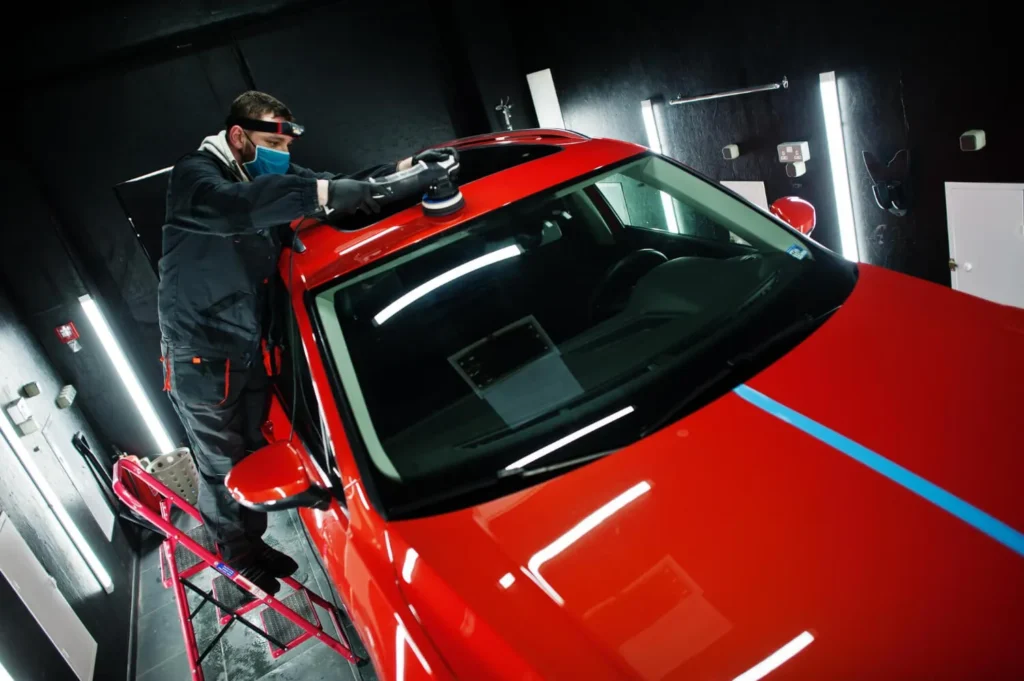
Ceramic coating is a liquid product that is applied to the exterior of your car. Once applied, it bonds with the car’s paint to form a hard, invisible, protective layer. This layer shields your car from dirt, water, sun damage, and minor scratches.
The good thing about it is that it doesn’t change the colour or texture of your paint. It just adds a strong shield on top.
Unlike wax or sealants that wear off in weeks or months, ceramic coating can last for years if cared for properly.
How it’s different from wax and sealants:
- Wax: Adds shine but wears off quickly.
- Sealant: Lasts longer than wax but still needs reapplication every few months.
- Ceramic coating: Bonds with the paint and can last 2–5+ years with the right maintenance.
How Ceramic Coating Works
Ceramic coatings are made from silicon dioxide (SiO₂) or titanium dioxide (TiO₂), which are materials known for their durability and water-repelling abilities. When applied, they chemically bond with your car’s clear coat, creating a permanent or semi-permanent layer of protection.
Here’s how the process usually works:
- Surface preparation: The car is washed, clayed, and polished to remove dirt, old wax, and paint imperfections.
- Application: The liquid ceramic coating is applied in small sections using an applicator pad.
- Bonding: The coating bonds to the paint at a molecular level.
- Curing: The coating is left to cure (harden) for several hours, sometimes even days, to reach full strength.
The result?
- A hydrophobic surface – Water beads up and rolls right off.
- Protection from UV rays – Prevents oxidation and fading.
- Resistance to chemicals – Shields paint from bird droppings, tree sap, and road salt.
Benefits of Ceramic Coating
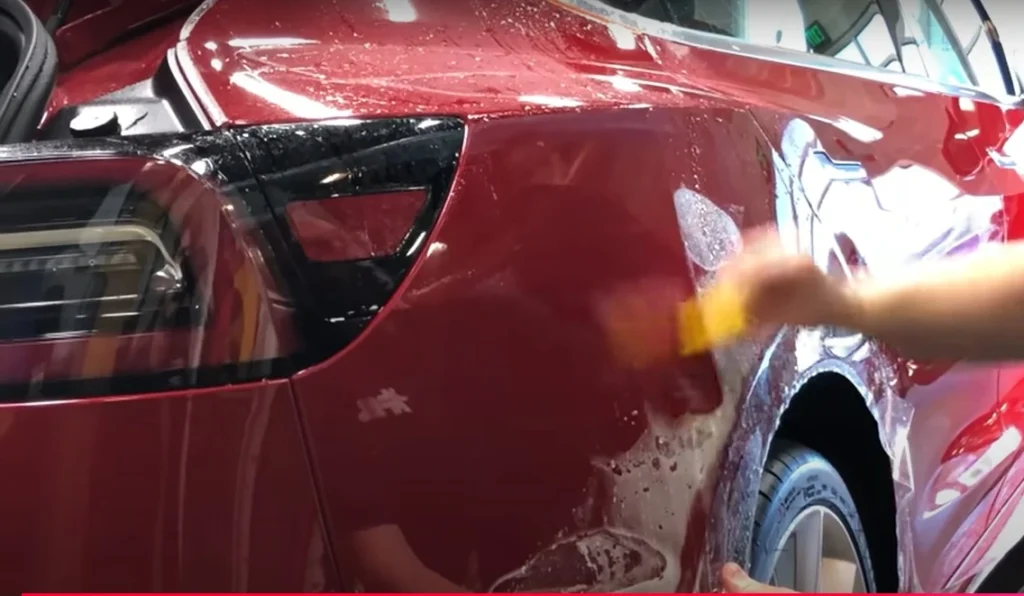
Ceramic coating isn’t just about making your car look nice. Rather, it’s about preserving the condition and value of your vehicle over the long haul. Below are the key benefits, so you can see why so many car owners consider it a worthwhile investment.
1. Long-Term Paint Protection
A professionally applied ceramic coating forms a durable molecular bond with your vehicle’s clear coat, creating a semi-permanent shield that can last for years. This barrier helps defend against corrosive elements such as acid rain, industrial fallout, bird droppings, and road grime—substances that can eat into paint if left untreated.
Because the coating is chemically resistant, it stops many of these contaminants from bonding to the surface in the first place. For drivers in coastal areas, this also means better defence against salt corrosion, which is notorious for damaging paint and metal.
2. Enhanced Gloss and Shine
Ceramic coating amplifies the beauty of your paintwork. By filling in microscopic pores and levelling the surface, it creates a smooth, reflective finish that produces a richer, deeper colour tone.
This “wet look” isn’t just a one-time effect after application. The coating’s gloss retention is far superior to wax and sealants. Your car maintains that showroom-like finish even months and years later with proper care.
3. Easy Cleaning and Maintenance
The hydrophobic (water-repelling) properties of ceramic coatings are one of the features car owners love most. Water, mud, and grime bead up and roll off, taking much of the dirt with them. This self-cleaning effect means less buildup between washes.
Even sticky contaminants like tar and bug splatter are easier to remove because they can’t grip the paint as easily. It also reduces the need for aggressive scrubbing and minimises the risk of swirl marks and micro-scratches.
4. UV and Weather Resistance
Over time, ultraviolet rays from the sun can oxidise paint, causing dullness, fading, and in severe cases, peeling. Ceramic coating contains UV inhibitors that block and absorb these rays, dramatically slowing the oxidation process.
In addition, the coating acts as a weatherproof sealant against environmental challenges such as acid rain, snow, sleet, and road salt. It is especially valuable for people who live in areas with extreme climates, where seasonal changes can quickly age unprotected paint.
5. Cost-Effective in the Long Run
Ceramic coating can cost more upfront than waxing and sealants. However, its durability means fewer maintenance sessions and less frequent reapplications. Over years, the money saved on detailing, waxing, and paint correction often outweighs the initial cost of ceramic coating.
For high-value or collectible vehicles, the preservation of factory paint can also help retain resale value, as buyers are often willing to pay more for a car with original, well-maintained paintwork.
6. Resistance to Chemical Staining and Etching
Every day, contaminants like bird droppings, bug acids, and tree sap are acidic. Left on unprotected paint, they can cause chemical etching. Ceramic coating reduces the chance of this damage by acting as a chemical-resistant layer. It also helps you save your valuable time to wash contaminants off before they can cause harm.
7. Preserves Value for Years to Come
Ceramic coating helps keep your car looking and performing its best, which in turn protects its market value because a well-maintained exterior can make your car stand out and fetch a higher price compared to a similar vehicle with faded or damaged paint.
Limitations to Keep in Mind
Ceramic coating is great, but it’s not a magic force field. Here’s what it doesn’t do:
- It won’t stop deep scratches and dents. If you hit a pole or another car, the coating won’t prevent damage.
- It doesn’t remove the need to wash your car. You’ll still need to clean it, just less often and with less effort.
- It requires proper prep. If your paint has swirl marks or chips, those need to be fixed before application. Otherwise, the coating will lock them in place.
How Long Does Ceramic Coating Last?
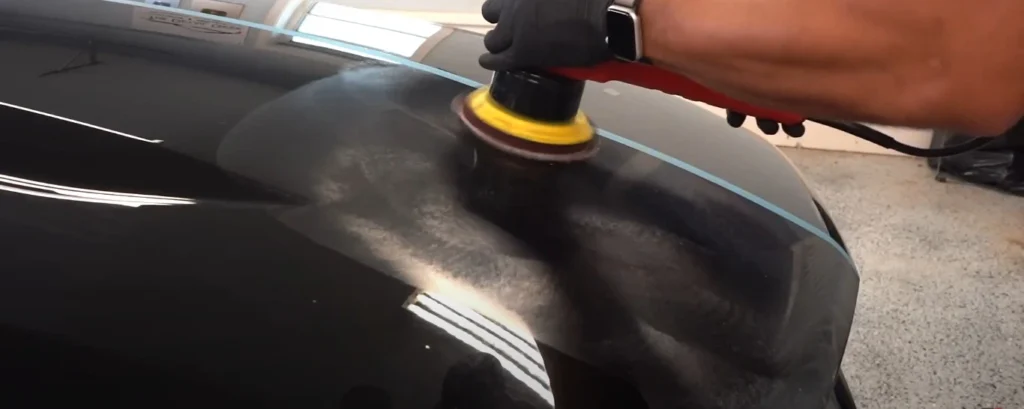
On average, a good ceramic coating lasts 2–5 years, but some premium coatings claim up to 7–10 years with professional application and proper care. You can learn in detail how long does ceramic coating last.
The lifespan depends on:
- Quality of the coating: Professional-grade products last longer than DIY kits.
- Application method: Proper bonding ensures durability.
- Maintenance routine: Regular gentle washes and avoiding harsh chemicals keep it in top condition.
Is Ceramic Coating Worth It for Your Car?
Whether ceramic coating is worth it depends on your priorities:
It’s worth it if:
- You want your car to stay shiny and new-looking for years.
- You live in an area with harsh weather, salty roads, or intense sun.
- You’re tired of frequent waxing and polishing.
It might not be worth it if:
- You don’t plan to keep the car for long.
- You enjoy reapplying wax every few months.
- You’re expecting it to make your car indestructible.
Compared to waxing and paint sealants, ceramic coating costs more upfront, but many car owners feel the time saved, longer-lasting protection, and better looks make it a smart investment.
Ceramic Coating vs. Other Paint Protection Options
| Feature | Wax | Paint Sealant | Ceramic Coating |
| Durability | Weeks | Months | Years |
| Gloss | High | Medium-High | Very High |
| Water Repellency | Moderate | High | Very High |
| UV Protection | Low | Medium | High |
| Cost | Low | Medium | High (but long-term savings) |
Why Choose Rox Auto for Ceramic Coating in Adelaide?
At Rox Auto in Adelaide, we offer top-tier ceramic coating services to protect your vehicle with industry-leading products like NV PRO and GTECHNIQ. Our trained professionals ensure a flawless application with paint correction to remove imperfections, ensuring a smooth, high-gloss finish that lasts for years.
Conclusion
Ceramic coating is a smart way to protect your investment. It gives your car a long-lasting shine, makes cleaning easier, and shields your paint from the daily wear and tear of driving.
No doubt it’s the best option to preserve your car’s beauty and value for a long time. You must consider ceramic coat your car if you are someone who wants to keep their ride looking fresh over time.
Frequently Asked Questions
1. How much does ceramic coating cost?
The price can vary a lot depending on whether you choose a DIY kit or professional installation. A professional application can range from $600 to over $2,000. The higher cost often comes with better products, expert prep work, and a longer-lasting finish.
2. Can I apply ceramic coating myself?
Yes, you can apply a ceramic coating at home using a DIY kit. However, professional application usually gives better results because detailers have the tools, products, and experience to prepare the paint properly. Without proper prep, the coating may not bond well or last as long.
3. Does ceramic coating make my car scratch-proof?
No, ceramic coating is not scratch-proof. It can protect against light scratches and swirl marks caused by washing, but it won’t prevent deeper scratches from accidents or heavy contact with sharp objects.
4. How do I maintain a car with ceramic coating?
Maintaining a ceramic-coated car is simple. Wash it regularly with a pH-neutral car shampoo, avoid abrasive cleaning tools, and dry it with a microfiber towel. You don’t need to wax it, but using a ceramic booster spray every few months can help maintain its hydrophobic properties.
